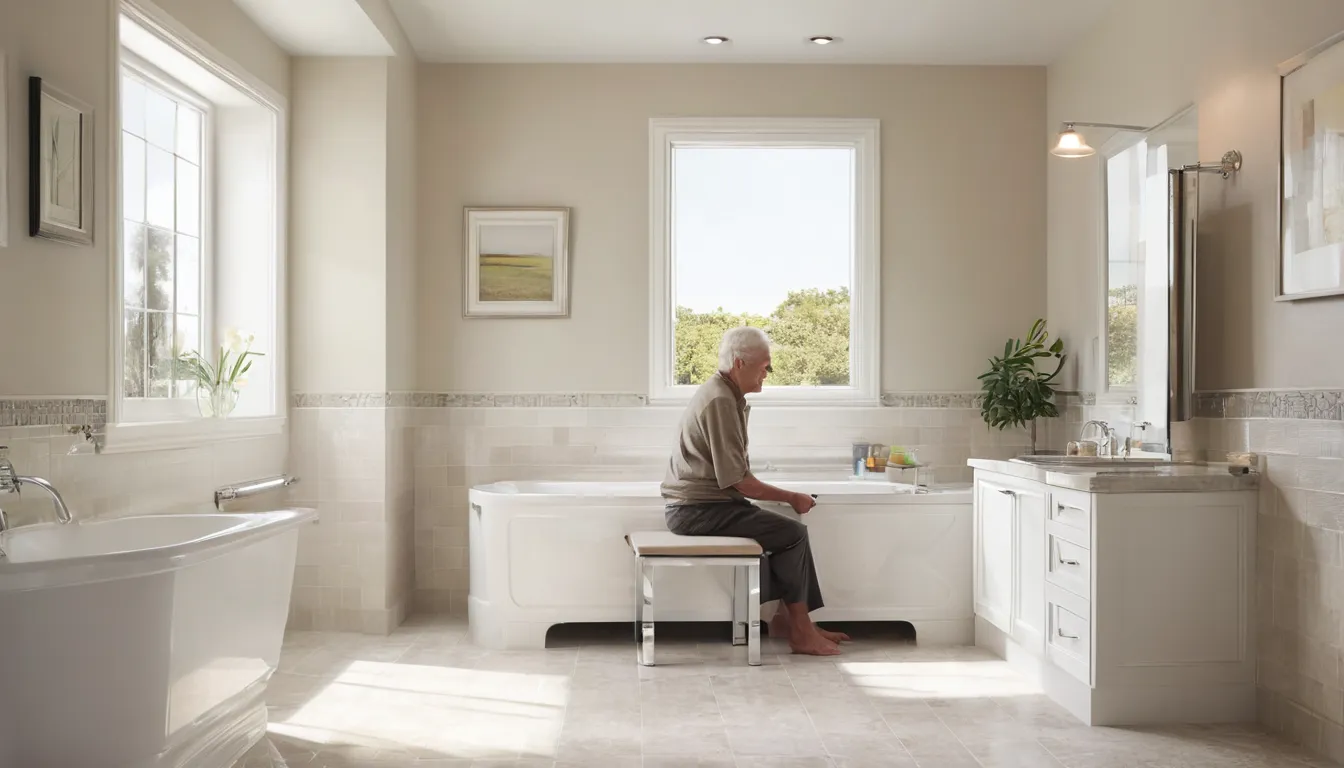
A walk-in tub has a watertight door and a low step. You walk in, sit down, and the tub fills around you. There is no climbing over a high wall. For many people, that one change makes bathing feel safe again. Senior walk-in tubs often add a raised seat, grab bars and a slip-resistant floor.
Myndpay Walk-In Tubs is a referral service. Providers do the work. We do not install, set prices or promise timing. What we do is help you get organized: photos of your bathroom, measurements, and notes about who will use the tub. Then your request goes to an independent provider in our network. That prepared folder leads to clearer estimates and fewer repeat visits for homeowners in the Franklin Lakes area.
Bathing Feels Risky? Start Here
First, name the worry. Is it the high tub wall? A slick floor? Getting back up? A walk-in tub answers all three with a low entry, a built-in seat and a door that seals shut.
Then act before a fall forces the decision. Planning takes time. Providers have schedules, and parts and permits can add more.
Signs It Is Time to Look
- Stepping over the tub edge needs a hand on the wall.
- Getting up from the tub floor is hard or painful.
- Someone has skipped baths because they feel unsafe.
- A caregiver has to help, and it strains both people.
- A doctor or therapist has suggested a seated bath.
One or two of these is enough reason to start gathering information.
Who a Walk-In Tub Suits
Walk-in tubs suit people who like a full soak but cannot manage a standard tub. That includes many older adults, people with arthritis or balance trouble, and anyone recovering from surgery or an injury.
They are also a fit for people who find a shower tiring to stand in. If you can sit comfortably, transfer to a seat and wait while the tub drains, this style may work. If transfers are hard, a roll-in shower may suit better. That is a separate project with its own page.
Photos Come First
Before anyone visits, build the folder. Folder before quote.
- Wide photos of the whole bathroom from the door.
- Close photos of the current tub, faucet and drain.
- The wall behind and beside the tub.
- The path from the door, including any step or tight turn.
- Measurements: tub length, width, height and the doorway width.
- A photo of the water heater label if you can reach it.
Next, write short notes. Who will use the tub? Any mobility aids? Any pain points? These notes help a provider suggest a suitable model.
Common Walk-In Tub Features
Features vary by model. Read each spec sheet and ask what is standard and what costs extra.
- Door swing: inward or outward, based on your room layout.
- Seat height: a raised seat makes sitting and standing easier.
- Grab bars: placed where your hands naturally reach.
- Slip-resistant floor: a textured surface inside the tub.
- Quick-drain system: shortens the time you sit waiting.
- Hand-held shower: useful for rinsing and hair washing.
Soaker, Jetted and Combination Models
A soaker tub is the simplest. It fills with warm water and has no moving parts to maintain.
A jetted model adds water or air jets for a massage effect. Some people find this soothing for stiff joints. Jets mean pumps, more plumbing and more upkeep.
A combination model offers both water and air systems. It is the most complex choice, so ask how the provider handles service later.
Check Your Water Heater
This step gets skipped, and it matters. A walk-in tub holds a lot of water, and you sit in it while it fills and drains. Because the door must stay closed while the tub is full, the water needs to stay warm.
Check the tank size and age. In older homes, a small or tired tank may run out before the tub fills. Cold winters make this worse, since incoming water is colder. Ask the provider to review your heater and whether a larger tank or a fast-heating option makes sense.
What the Installation Involves
Tub replacement is more than lifting one unit out and dropping another in. Here is the usual order:
- First, a provider measures and checks the space.
- Next, the old tub is removed and the wall and floor are inspected.
- Then plumbing and drain connections are adjusted.
- Electrical work is added for jets or heaters, if the model needs it.
- Last, the new tub is set, sealed and tested for leaks.
Older homes bring extra questions. Stone or block foundations, full basements and tight Cape-style bathrooms can limit how a tub gets carried in. Floors may need checking, because a full tub is heavy. Mention anything unusual in your notes.
Keep a Folder for Estimates and Any Insurance Talk
Keep everything in one place. A simple folder, paper or digital, works.
- Your photos and measurements.
- Every written estimate.
- Model names, spec sheets and warranty terms.
- Dates of visits and who attended.
- Notes from any doctor recommending a safer bath.
Medical walk-in tubs are not always covered. Some policies may cover sudden damage, and coverage for accessibility changes varies, so check your policy. Providers can often help document damage for a claim. Ask your insurer what paperwork it wants before you sign.
Questions to Ask the Provider
Bring this list to each estimate:
- What is included: removal, plumbing, electrical, wall repair?
- How long is the tub unusable during the job?
- How long does it take to fill and drain?
- What does the warranty cover, and who handles service?
- Does my water heater need an upgrade?
- Will the written quote list every extra line by line?
Compare quotes in writing. A lower number can leave out items that a higher one includes.
Involve the Person Who Will Use It
The user should be part of the choice. Let them sit in a showroom model if possible. Check the seat height, the door handle and the reach to the controls.
Ask about comfort, too. Some people dislike waiting in a filling tub. Others want jets. Their opinion shapes the right pick more than any feature list.
Living With a Walk-In Tub
Expect a slower routine at first. You enter, close the door, fill, bathe, drain and then exit. Keep a warm towel or robe within reach, since you wait while the water leaves.
Clean the tub regularly, and follow the care guide for jets. In cold months, a warm bathroom makes the wait easier.
Who Does What
Plainly: Myndpay Walk-In Tubs helps you prepare and passes your request to a provider in our network. Providers do the work, set the prices and schedule the job. You choose whether to move forward.
What's Included
Low-Entry Door Design
A sealed door and low step let you walk in and sit without climbing over a high tub wall.
Built-In Seat
A seat at a comfortable height supports bathing and makes sitting and standing easier.
Safety Grab Bars
Bars placed where your hands naturally land give steady support when entering, sitting and leaving.
Non-Slip Tub Floor
A textured floor surface helps reduce slipping on wet footing while you step in and out.
Typical Walk-In Tub Cost Ranges
These are typical U.S. ranges and vary widely by home, model and job. Treat them as a starting point only. Always ask each provider for a written quote that lists every item.
| Item | Typical range | Notes |
|---|---|---|
| Basic soaker tub, installed | $4,000 – $10,000 | Simplest option, fewer parts to service |
| Jetted or air-jet model | $6,000 – $15,000 | Pumps add cost and upkeep |
| Combination water and air model | $8,000 – $18,000 | Most features, most complex |
| Plumbing changes | $500 – $2,500 | Older pipes and drains may need work |
| Electrical work | $300 – $1,500 | Needed for jets, heaters or outlets |
| Old tub removal and wall repair | $400 – $2,000 | Depends on wall type and damage found |
How It Works
Collect Your Folder
Take photos, measure the space and write short notes about who will use the tub.
Send Your Request
Share your folder through the form or Request a callback to check provider availability.
Meet the Provider
A local provider reviews your details, visits if needed and explains the options.
Compare Written Quotes
Review each quote line by line, then decide with the user which tub fits.
Why Call Myndpay Walk-In Tubs
Organized Start
Your photos, measurements and notes are gathered before any visit, so providers have the details they need.
Clear Roles
Providers do the work. We only organize your request.
Independent Providers
Your request goes to a local provider in the network, who sets their own prices and schedule.
No Pressure
Requesting an estimate carries no obligation. You decide whether to move forward after reading the quote.
Other Services
Need walk-in tubs in Franklin Lakes?
Send your photos and notes through the request form, or request a callback to check provider availability. Call hours vary by provider.
No obligationWalk-In Tubs FAQ
How much does a walk-in tub cost?
Typical U.S. installed prices run from about $4,000 to $18,000, depending on the model, features and home. Plumbing and electrical work can add more, so get a written quote from the provider.
Does insurance pay for a walk-in tub?
Coverage varies. Some policies may cover sudden damage, but accessibility upgrades are often not included. Check your policy, and ask your insurer what paperwork it wants before you start.
Will my water heater fill a walk-in tub?
It depends on tank size and age. Ask the provider to review your heater, since a small or older tank may run out before the tub is full.
Get in touch
Send your photos and notes through the request form, or request a callback to check provider availability. Call hours vary by provider.
No obligation